Energy dominates cost
Heating can be up to ~50% of the production budget. Competitors abroad pay far less for the same degrees — the gap is efficiency, not luck.
Tashkent · Inno Technopark Electronics Laboratory
Rovion's autonomous AI cuts greenhouse energy costs 15–30% and holds a climate more stable than expert growers can — engineered for the markets global systems ignore.

The problem
Heating can consume up to half of a greenhouse's production cost. Manual control wastes fuel every single day — reacting to conditions instead of anticipating them, always a step behind the weather. And there simply aren't enough expert growers to run thousands of sites well. The margin between a profitable season and a ruinous one is decided by how efficiently, and how far ahead, the climate is run.
Heating can be up to ~50% of the production budget. Competitors abroad pay far less for the same degrees — the gap is efficiency, not luck.
Reacting to conditions instead of predicting them burns fuel and lets the climate drift. Every late correction is wasted energy and a less stable crop.
There are far too few expert growers and agronomists for the number of sites. Autonomy is the only way to give every greenhouse that level of skill.
Platform
Start by measuring everything. Climb to predictive climate control, then to AI that runs the greenhouse on its own — cutting energy and holding a better climate than a human can. Each rung is a product; together they are the Autonomy Ladder, R1 → R4.
Continuous monitoring + baseline data capture.
The full climate computer.
AI energy autonomy — the flagship.
The greenhouse runs itself.
Energy-optimized refrigeration for cold storage.
Aql · the AI layer
Autonomous energy optimization and climate stability are the core; everything else supports it. Aql learns each greenhouse's own thermal behavior and controls heating, ventilation and screens predictively from the weather forecast — staying ahead of conditions instead of reacting to them.
The flagship. A thermal-twin plus weather-forecast model pre-heats and pre-vents ahead of conditions, cutting fuel 15–30% while holding a steadier climate than manual expert control.
The world's first AI for solid-fuel agriculture: burn-down prediction and refuel scheduling so a coal boiler is run for efficiency — the right damper, the right refuel time, less fuel per degree.
Energy-smart pre-cooling for cold storage — the thermal-battery idea inverted. Pull the chamber colder at the cheapest, most efficient moment, and it also rides through a power cut.
A voice-first Uzbek and Russian Telegram agent, grounded in the farm's own telemetry — answers about this greenhouse, not the internet's average one.
Ertaga yoqilg'i sarfini kamaytira olamizmi?
Ha. Ertalab quyoshli — issiqlikni to'plash uchun ekranlarni oldindan yopaman, qozonni bo'sh qo'yaman.
Kechasi sovuqqa nima bo'ladi?
Sovuq front 04:00 da. Oldindan isitib, +19°C ni barqaror ushlayman — bu kecha ~12% yoqilg'i tejaladi.
Fleet network intelligence.
Farms share one network. Patterns learned on one site sharpen every other's model, and when infrastructure sags in one district, farms downstream are warned before it reaches them — a live map, updating in real time.
Predictive climate control is documented to cut fuel 15–30%; autonomous-growing AI has beaten expert growers in international trials. Rovion brings this class of technology to conditions it has never served.
Hardware
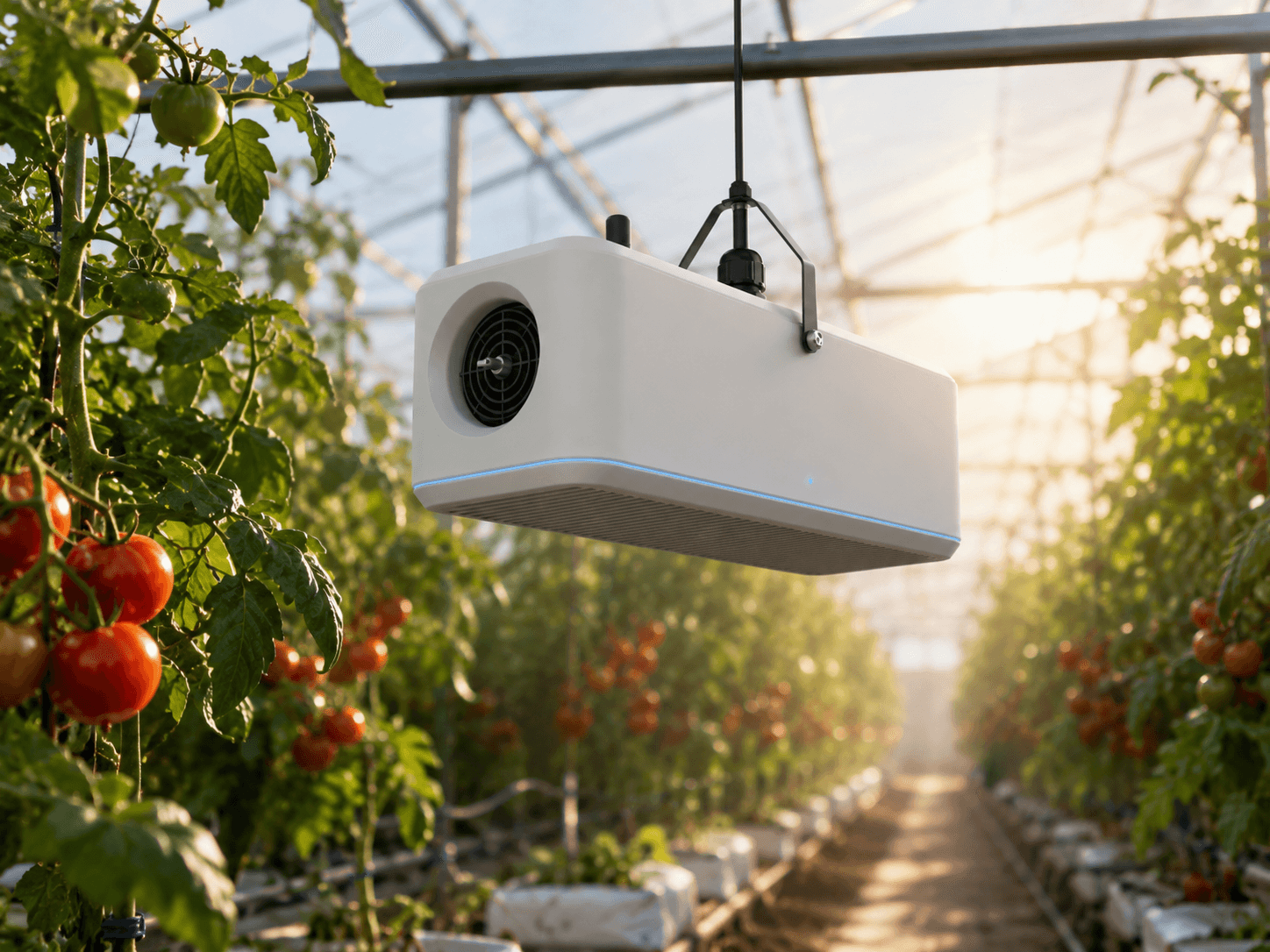
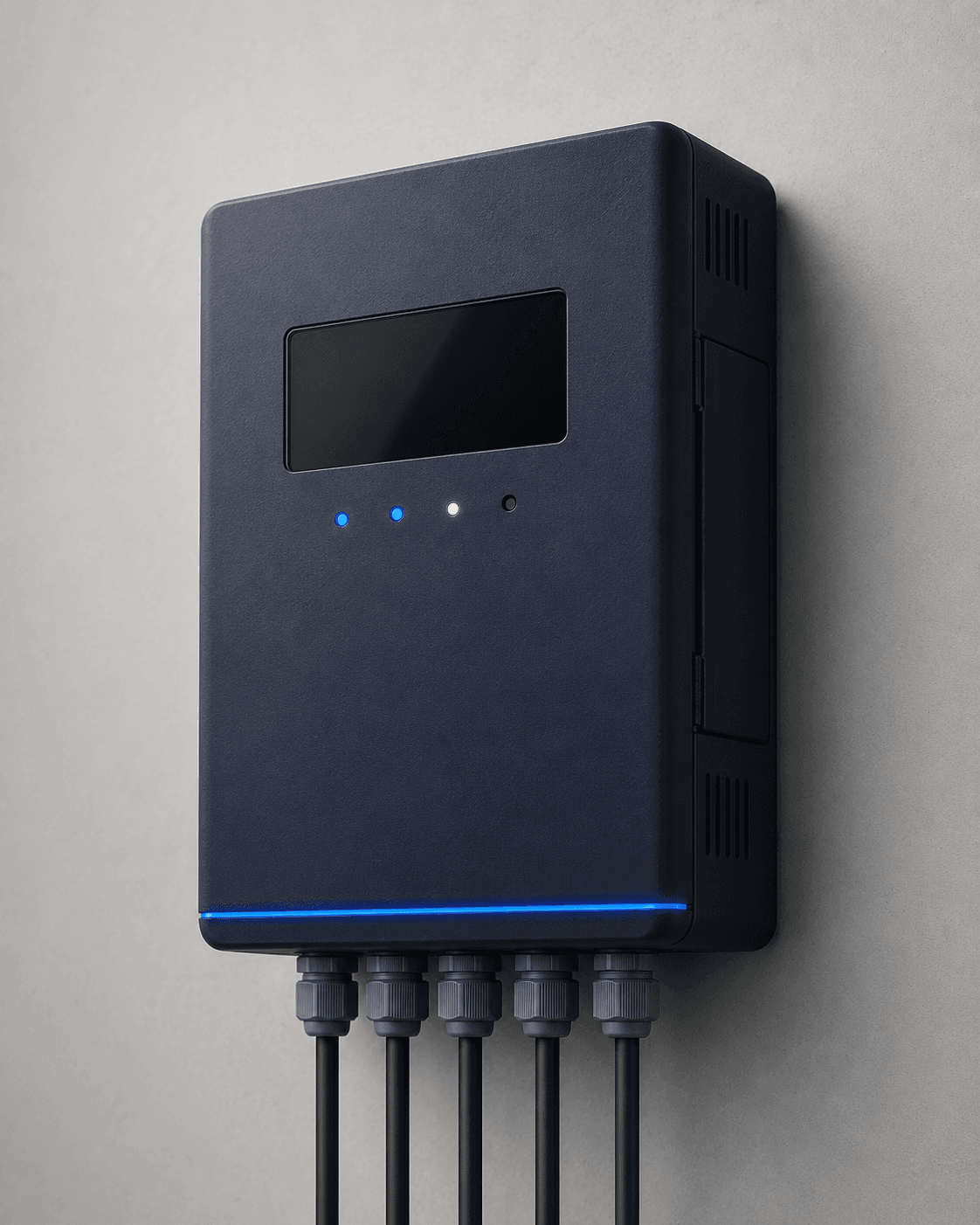
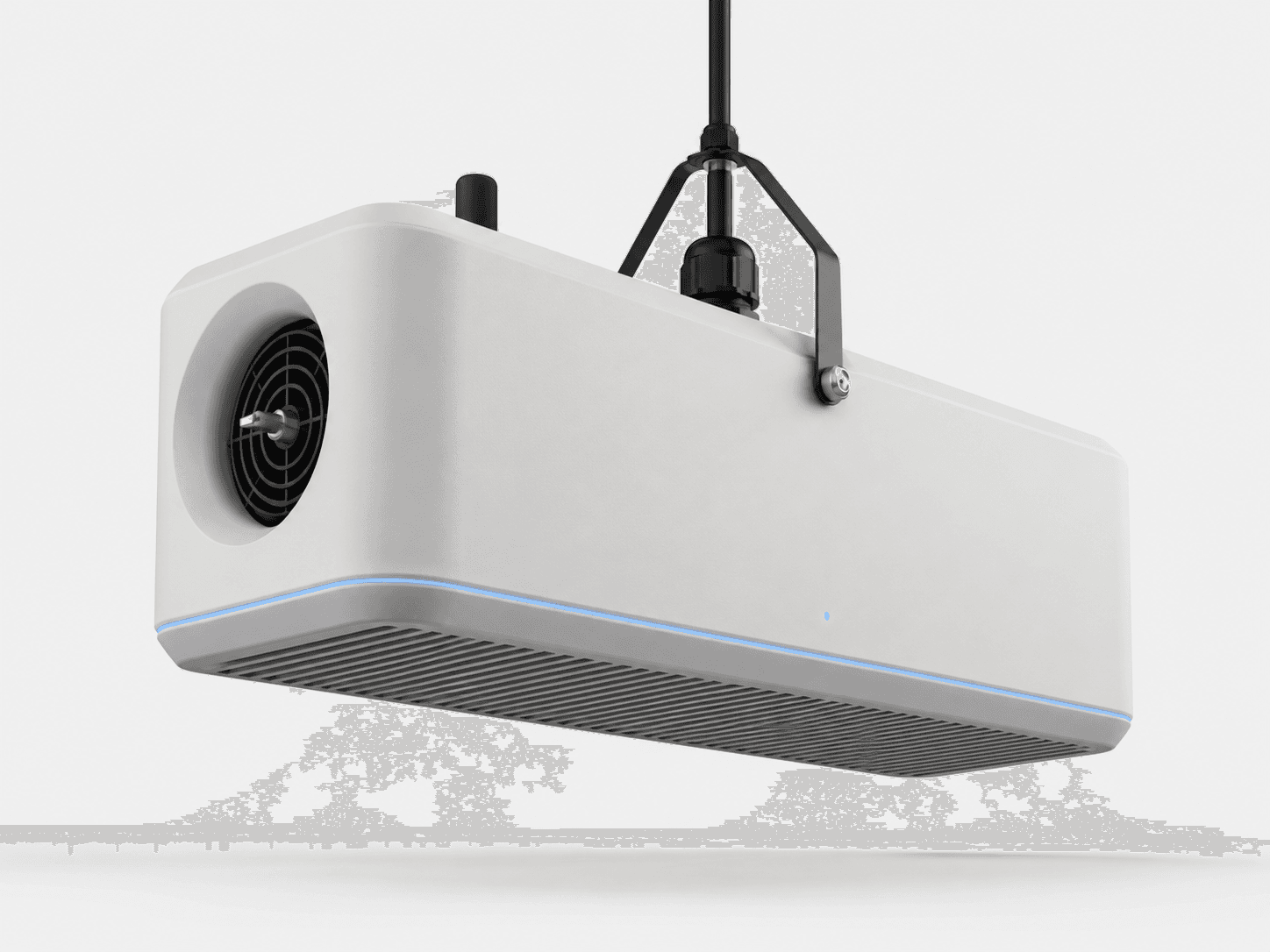
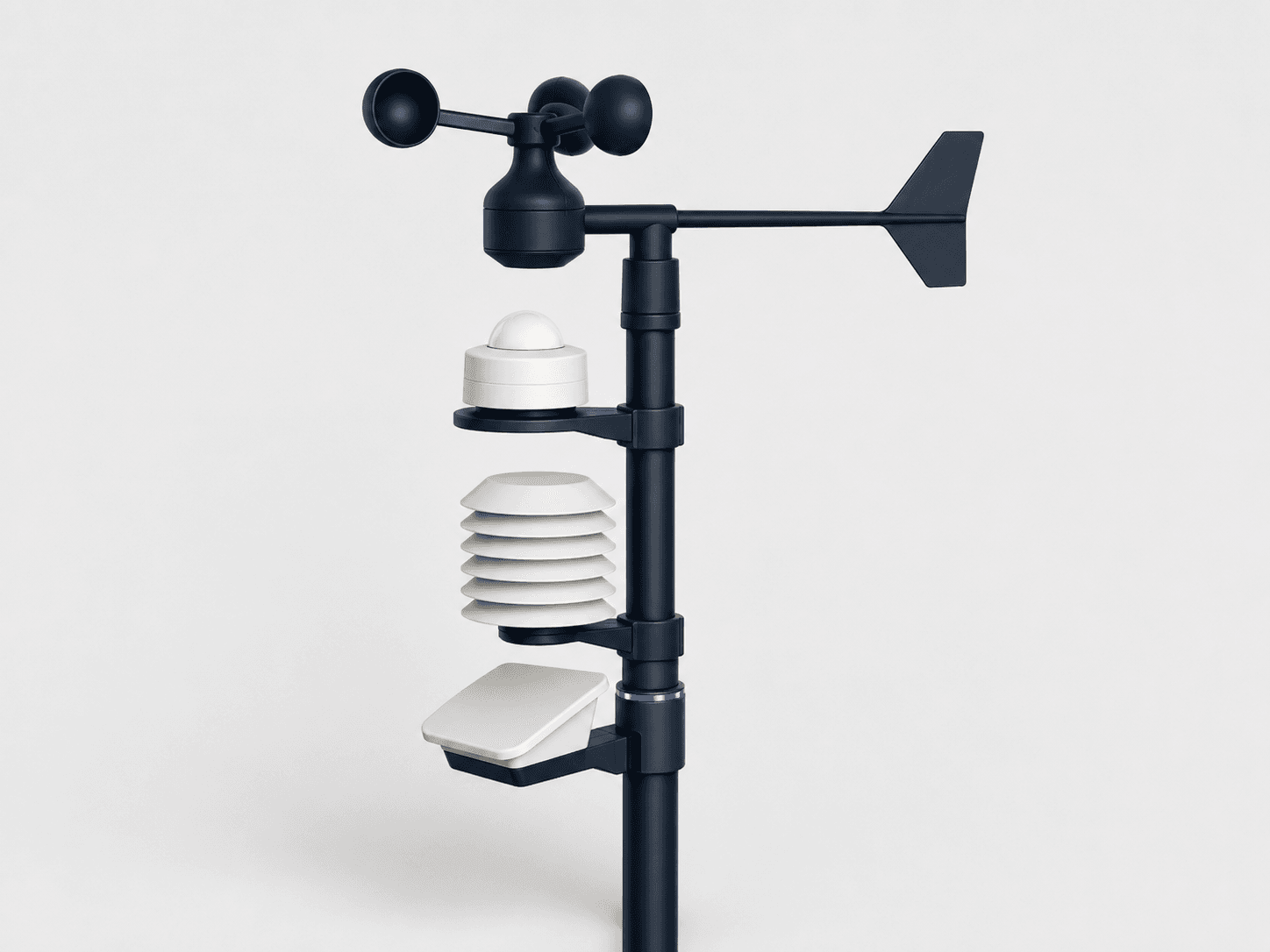
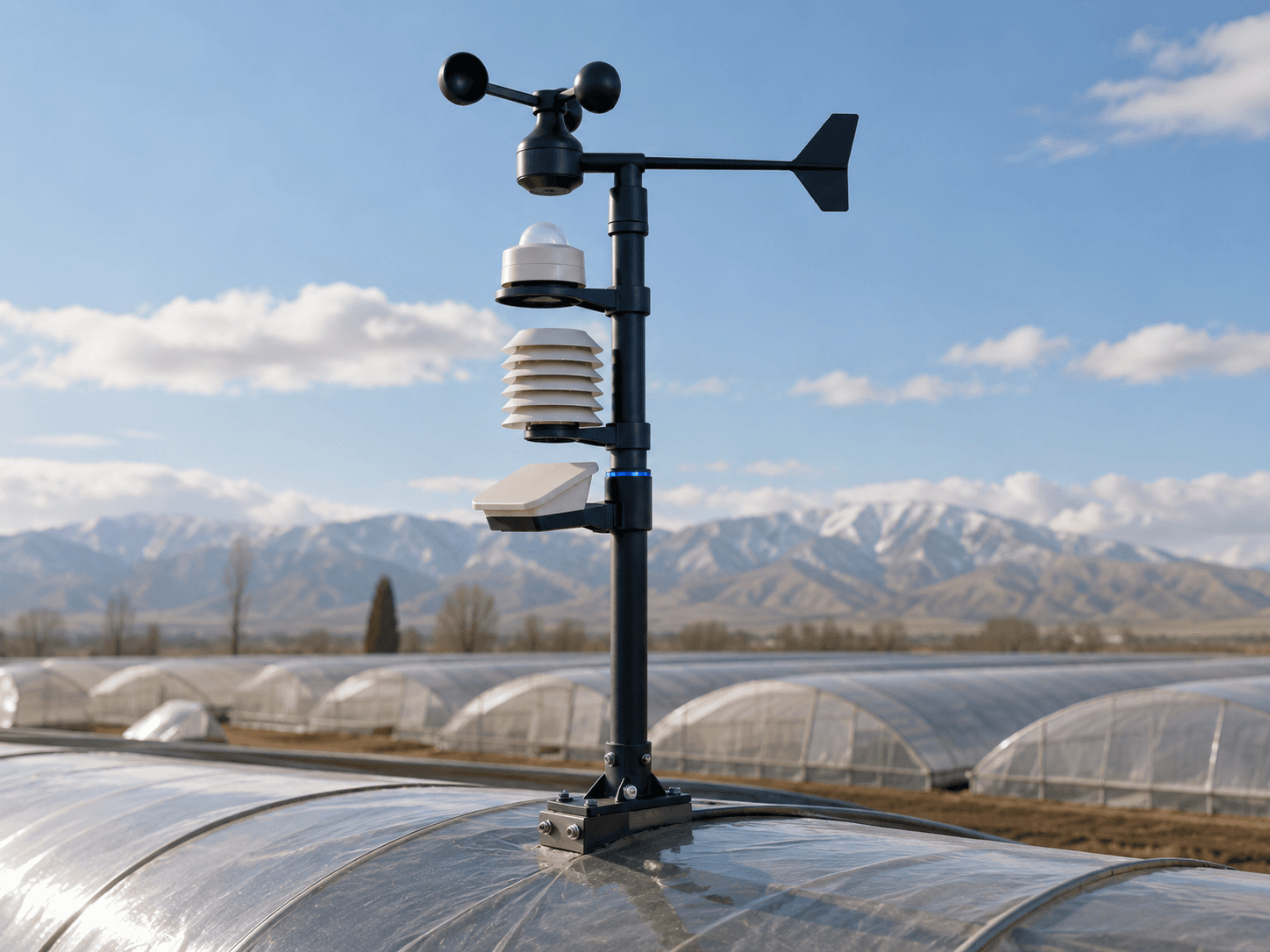
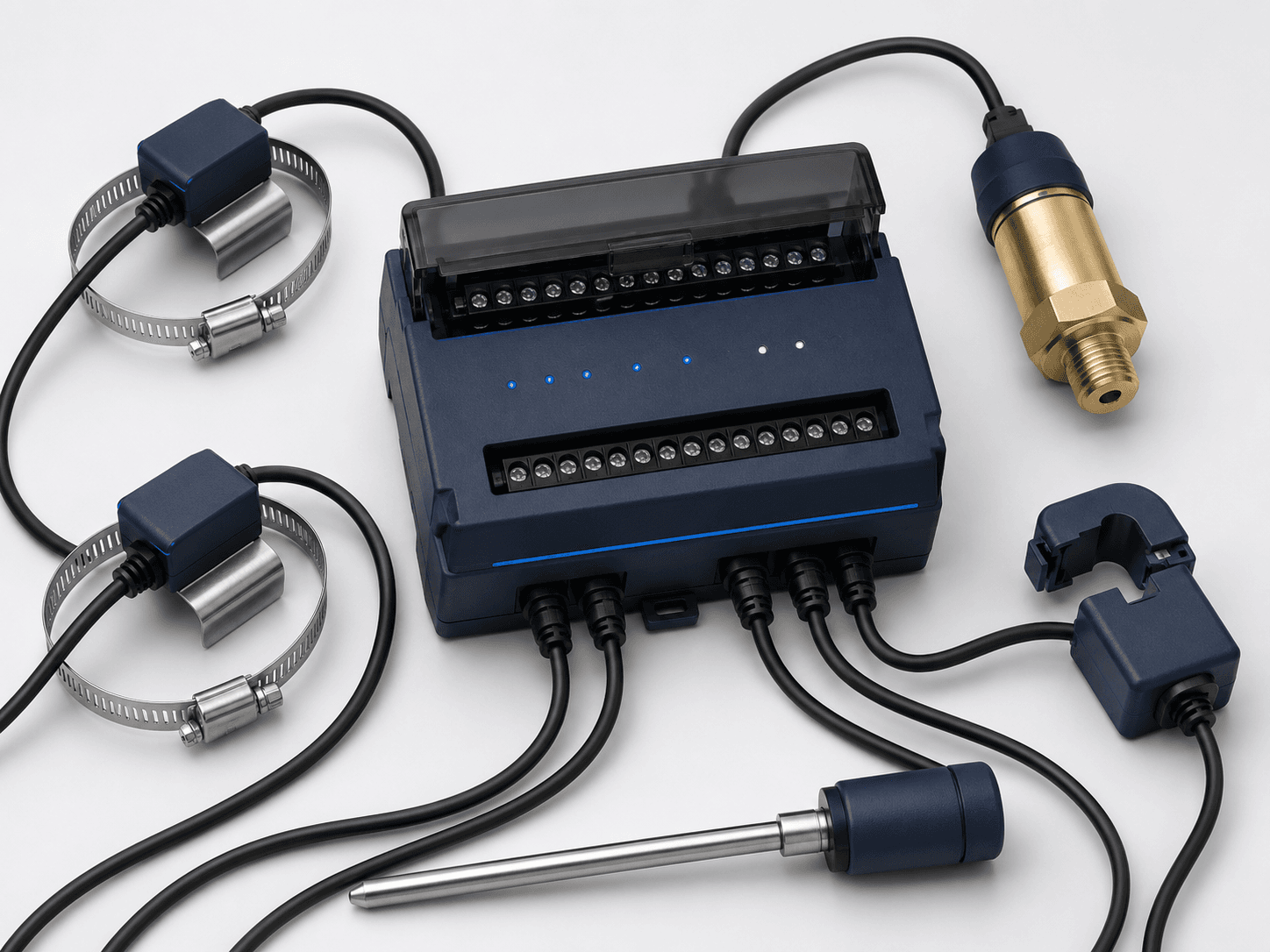
One product family across four sensing worlds — air, root zone, weather and machines — plus cold storage. Powder-coat navy for powered devices, warm white for the nodes that live among the plants.
Live demo
The demo dashboard streams a realistic simulation of a Rovion-equipped greenhouse — thermal model, weather-predictive heating, live energy savings and autonomous climate control — exactly as operators will see it. First live installation: Inno Technopark greenhouse, autumn 2026.
Team

Founder & CEO
Computer Science student at Penn State and an El-Yurt Umidi Foundation scholar. Embedded software engineer at Inno Technopark's Electronics Laboratory in Tashkent, working on STM32 firmware and CANSAT. Roughly three years of hands-on robotics and embedded systems — Arduino, ESP32, LoRa — largely self-taught, and a mentor in Inno's acceleration program. At Rovion he leads firmware, product and fundraising.

Computer Engineering
Computer Engineering at Arizona State University. El-Yurt Umidi scholar and Presidential School graduate.

Electrical Engineering
Electrical Engineering at Penn State. Mathematics olympiad medalist.
+ mechanical engineering and business co-founders — a five-person team building for home.
Roadmap
Live sensors streaming to a real-time autonomous-control dashboard, presented at Inno Technopark.
Greenhouses and a cold store near Tashkent, with Guardian Relay backup-heat failover.
The first labeled failure dataset and thermal twins from a real Central Asian winter.
Commercial installations and the Core climate computer in the field.
Cold Store Pro at scale, expansion to Kazakhstan, and the Aql AI tier.